Blossom Lovely: A Handwritten Font for Personal Touches
When a design needs to feel intimate and authentic, a standard typeface often falls short. That's where a premium font like Blossom Lovely steps in. It’s not just a collection of letters; it’s a tool for adding personality and warmth. This elegant, flowing handwritten font captures the nuances of real handwriting, offering a level of charm and character that can transform a project from ordinary to memorable. For designers, entrepreneurs, and creators, understanding how to use such a creative font effectively is key to connecting with an audience on a more human level.
The Visual Personality of Blossom Lovely
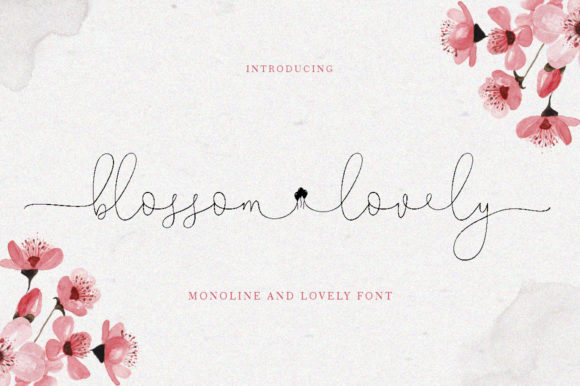
At its core, Blossom Lovely is a script font that balances legibility with expressive style. Its letterforms feature gentle, natural curves and varying stroke widths that mimic the pressure and flow of a pen or brush. Unlike some overly stylized scripts, it maintains a clear, readable structure, making it versatile for both short headlines and medium-length text passages. The overall aesthetic is soft, romantic, and approachable. It carries a sense of elegance without being overly formal, making it suitable for projects that aim to feel both refined and genuine.
The visual weight and slant of Blossom Lovely give it a dynamic, living quality. It feels less like a static digital asset and more like a carefully crafted piece of lettering. This personality makes it a strong contender for logo design and brand identity work where a personal touch is desired. It can help a brand feel more approachable and human, which is a powerful asset in today’s market.
Where Blossom Lovely Truly Shines
The real-world applications for a font like Blossom Lovely are extensive, spanning both digital and physical mediums. Its strength lies in projects that benefit from a personalized, handcrafted feel.
In the realm of packaging design and product labels, especially for artisanal goods, cosmetics, or boutique food items, Blossom Lovely can convey quality and care. It suggests the product inside was made with attention to detail. For editorial design, it works beautifully for chapter titles, pull quotes, or featured story headers in magazines and blogs, adding a layer of visual interest and breaking up monotonous text layouts.
Digital creators find immense value in this typeface. It elevates social media graphics for quotes, announcements, and promotional posts, helping content stand out in a crowded feed. For web design, it can be used strategically for hero sections, call-to-action buttons, or special offer announcements. However, it’s crucial to consider readability at smaller sizes on screens; it’s best used for larger, impactful text elements rather than body copy.
Of course, its most classic application is in stationery. Wedding invitations, thank you cards, greeting cards, and event signage are perfect fits. Blossom Lovely brings a cohesive, elegant, and personal style to these tangible items, making recipients feel truly special.
Practical Guidance for Using This Typeface
Choosing a font is just the first step; using it well is what makes the difference. Here’s how to approach working with Blossom Lovely.
Evaluate Project Fit: Before downloading, ask if the project’s tone matches the font’s personality. Is the goal to feel romantic, whimsical, and personal? If the project requires a stark, modern, or highly technical feel, a sans serif font or a geometric serif font might be a better starting point. Blossom Lovely excels when warmth and individuality are the priority.
Master Font Pairing: A script font rarely works alone for all text. The key to professional use is pairing it with a complementary typeface. For body text or supporting information, choose a clean, highly legible sans serif font like Open Sans, Lato, or Montserrat. For a more classic or editorial look, pair it with a simple serif font such as Lora or Merriweather. The contrast between the expressive script and the neutral supporting font creates a balanced and effective visual hierarchy.
Explore the Full Glyph Set: A major advantage of Blossom Lovely is that it is PUA encoded. This means it includes a full set of alternate characters, swashes, and ligatures. Don’t just type with the default letters. Open the glyph panel in your design software (like Adobe Illustrator, Photoshop, or even Canva Pro) to explore these extras. Using alternate initial or terminal letters for a headline can add a unique, custom feel that elevates the entire design.
Consider Readability and Licensing: Always test the font at the actual size it will be viewed. For print, print a test sheet. For digital, preview on multiple devices. Ensure the text remains clear. Finally, confirm the licensing. Blossom Lovely is a commercial font, so check the license details for your intended use—whether it’s for a client project, merchandise for sale, or a personal blog. Respecting the license supports the creators and ensures legal compliance.
Building a Cohesive Brand with a Handwritten Font
Integrating a distinctive font like Blossom Lovely into a brand identity requires consistency. Use it as a secondary or accent typeface across all touchpoints to reinforce the brand’s personality. It might appear on the logo, website headings, social media post templates, email newsletter graphics, and packaging. This consistent use helps with brand recognition and builds a cohesive experience for the audience.
The font’s influence on brand perception is significant. It can make a business feel more personal, trustworthy, and customer-focused. For a small business owner or blogger, this can be a strategic advantage, differentiating them from larger, more impersonal competitors. It signals that there’s a real person behind the brand who cares about the details.
Ultimately, a tool like Blossom Lovely is about connection. It moves beyond mere communication to evoke a feeling. By applying it thoughtfully, considering its strengths and limitations, and pairing it wisely, creators can harness its power to make their designs more engaging, memorable, and human. It’s a valuable asset in any designer’s toolkit for projects that call for a touch of elegance and authenticity.